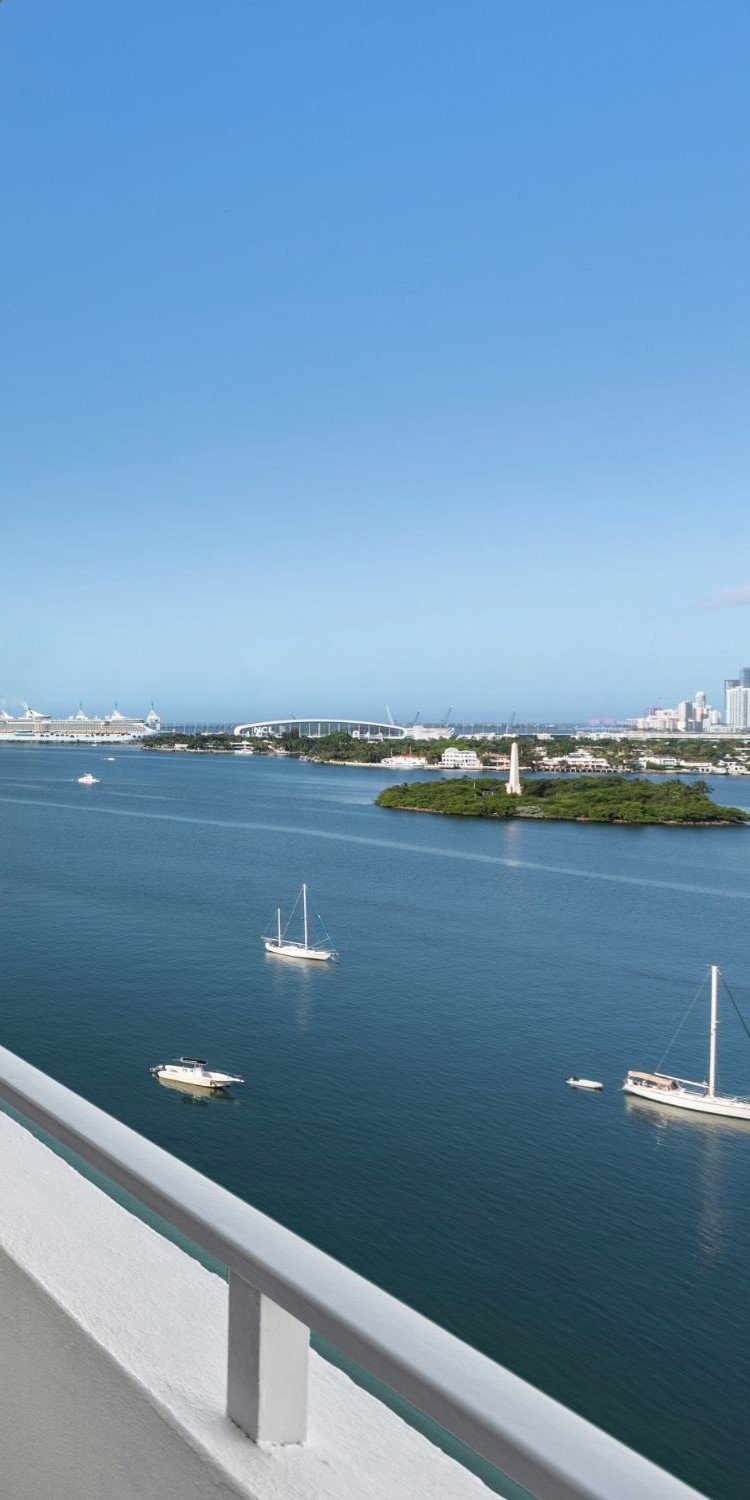
When most people picture South Florida, they probably think of beaches, palm trees, and waterfront homes.
But every winter, about an hour inland from the Atlantic, something very different happens.
Wellington becomes one of the most important equestrian destinations in the world.
Top riders and horses arrive from across the United States and around the globe for months of polo, show jumping, dressage, and other competitions. For a community that only became an incorporated municipality in 1995, Wellington has developed an extraordinary identity in a relatively short period of time.
So way before it became our Community of the Month, how did Wellington become known as the Winter Equestrian Capital of the World?
It started with polo
The story really begins in the 1970s.
In 1977, polo arrived in Wellington when Gould and its chairman, William “Bill” Ylvisaker, acquired undeveloped parcels within the Wellington Planned Unit Development. Ylvisaker was an avid polo player, and his involvement helped establish what would eventually become the Palm Beach Polo and Country Club.
That decision would have a much bigger impact than anyone could have predicted.
Within a decade, Wellington had developed into an international polo destination, including hosting the prestigious Polo World Cup. And polo wasn't going to be the end of the story.
Other equestrian disciplines began finding a home here, too.
Then came show jumping and dressage
Wellington's equestrian identity expanded well beyond polo.
The community eventually became home to major competitions in show jumping, hunter/jumper, and dressage. Today, Wellington International hosts the renowned Winter Equestrian Festival, while the Adequan® Global Dressage Festival brings top-level dressage competition to the community. Polo remains an important part of the picture as well.
The scale is impressive.
Wellington International describes its winter circuit as a global equestrian community, attracting participants from all 50 states and more than 34 countries. The Winter Equestrian Festival alone now runs for 13 weeks, while the dressage festival provides another major international competition series during the winter months.
And that means Wellington isn't simply hosting a few big horse shows.
For several months each year, the equestrian world essentially makes Wellington its home.
Why does it work so well in Wellington?
There's a practical reason so much of the equestrian world has gravitated here: the environment allows the sport to operate at a very high level during the winter.
Wellington has the land, infrastructure, facilities, trails, and climate necessary to support a major equestrian community.
The Village maintains more than 100 miles of public bridle trails, and the Equestrian Preserve plays a major role in protecting the land and character that make the community unique. Wellington currently has more than 580 farms serving disciplines ranging from polo and dressage to hunter/jumper and recreational riding.
That's a big part of what makes living here different.
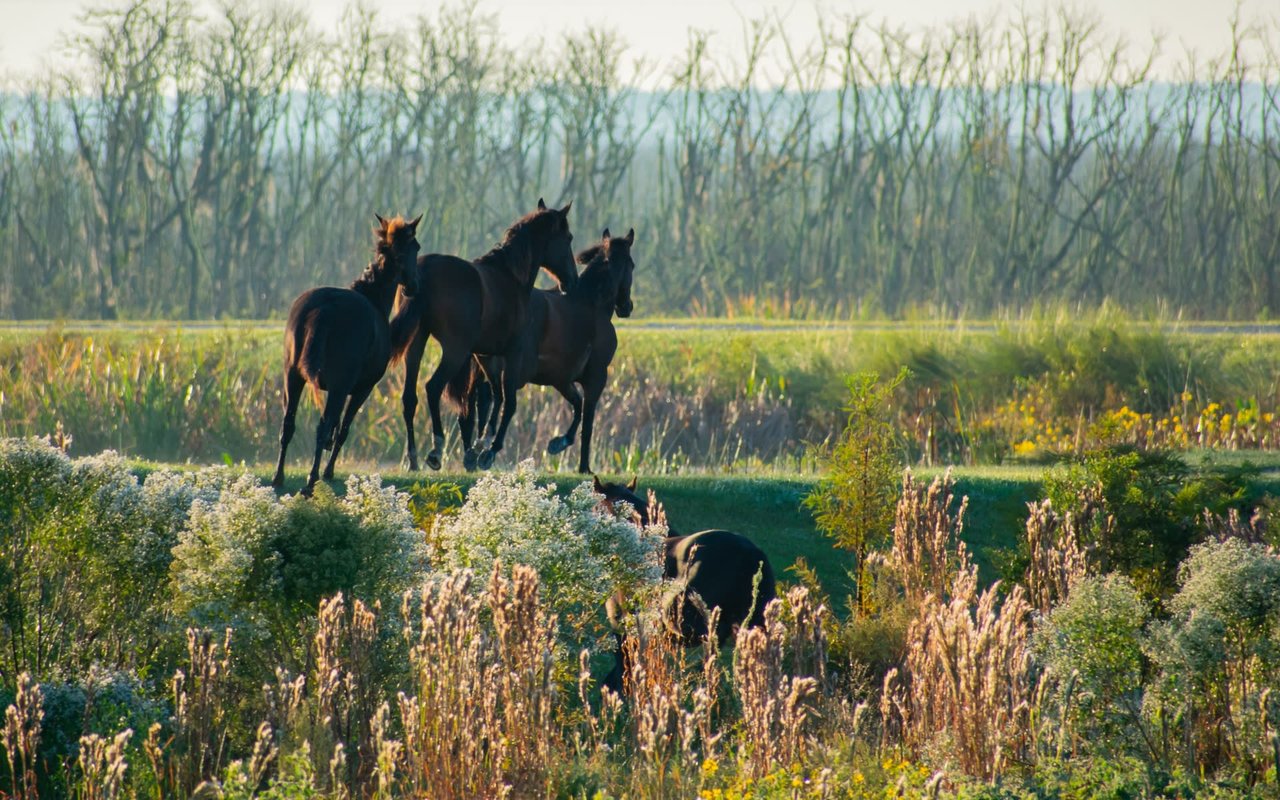
You don't have to be a professional rider to notice the equestrian influence. Horses, farms, riding trails, large properties, and equestrian facilities are woven into the landscape.
Winter is when Wellington really comes alive
There's a reason the word winter is so closely associated with Wellington's equestrian identity.
The main competition season runs through the cooler months, bringing riders, trainers, owners, families, and spectators into the area. The Village says its equestrian season generally runs from November through April.
At Wellington International, the Winter Equestrian Festival and Global Dressage Festival create a nearly continuous calendar of major competitions.
Polo adds another dimension, with major tournaments taking place during the season at the National Polo Center.
For someone visiting Wellington during this time of year, the equestrian presence is hard to miss.
For someone who lives here, it's simply part of the rhythm of the community.
And yes, royalty has been here
Here's one of my favorite Wellington facts.
In 1985, Prince Charles and Princess Diana visited Wellington for polo. The Village of Wellington even highlights the visit in its recent annual report as a memorable moment in the community's rise to international prominence.
It's a fun piece of history, but it also says something about how quickly Wellington's reputation grew.
This was no longer simply a developing community in western Palm Beach County. Wellington had become a place that could attract some of the biggest names in international polo and equestrian sport.
The equestrian lifestyle is bigger than the competitions
This is probably the most important thing to understand about Wellington.
The equestrian scene isn't just something that happens at a venue on the weekends.
It's part of the community's identity.
Wellington has built planning policies, zoning protections, trails, drainage infrastructure, and other resources specifically around preserving its equestrian character. The Village considers the equestrian community an integral part of Wellington's economic, demographic, and physical structure.
That's also reflected in the real estate.
Wellington has everything from traditional suburban neighborhoods to large estate properties and dedicated horse farms. Some properties are designed around horses and riding, while others simply offer residents more space and privacy within a community that happens to have an extraordinary equestrian culture.
That's one reason Wellington can appeal to such a wide range of people.
You can be deeply involved in the horse world, casually interested in it, or not involved at all and still enjoy the parks, neighborhoods, schools, recreation, and overall quality of life.
So, is Wellington only for equestrians?
Not at all.
That's one of the misconceptions I think is worth clearing up.
Wellington's equestrian reputation is a huge part of what makes it unique, but it isn't the whole community. Families live here year-round. There are established neighborhoods, schools, parks, restaurants, medical facilities, and plenty of everyday conveniences.
The difference is that in Wellington, you get all of that alongside one of the most distinctive equestrian communities anywhere in the country.
And for buyers looking at Wellington real estate, that's an important distinction.
The right property isn't just about the house. It's about understanding which part of Wellington fits the way you want to live.
Why Wellington's equestrian identity matters
What I find most interesting about Wellington is that its equestrian reputation wasn't simply created by putting up a few showgrounds.
It developed over decades through polo, international competition, dedicated facilities, preserved land, horse farms, riding trails, and a community that has deliberately protected its equestrian character.
Today, Wellington International calls the community a premier destination for elite equestrian sport, while the Village continues to identify Wellington as the Winter Equestrian Capital of the World.
That's a pretty remarkable transformation for a community that was once largely undeveloped land.
And it's a big part of what makes Wellington such an interesting place to live.
You can spend a morning watching world-class show jumping, drive past horse farms on the way home, and still be back in a neighborhood where life feels surprisingly suburban and relaxed.
That's Wellington.
It's not just a place where equestrian events happen.
The equestrian lifestyle is part of what makes the community what it is.
If you're considering moving to Wellington and want to understand which neighborhoods and property types fit your lifestyle, I'd be happy to help you explore the community. You can also use PhilGPT to compare Wellington with other South Florida communities and get a better feel for what might be the right fit.